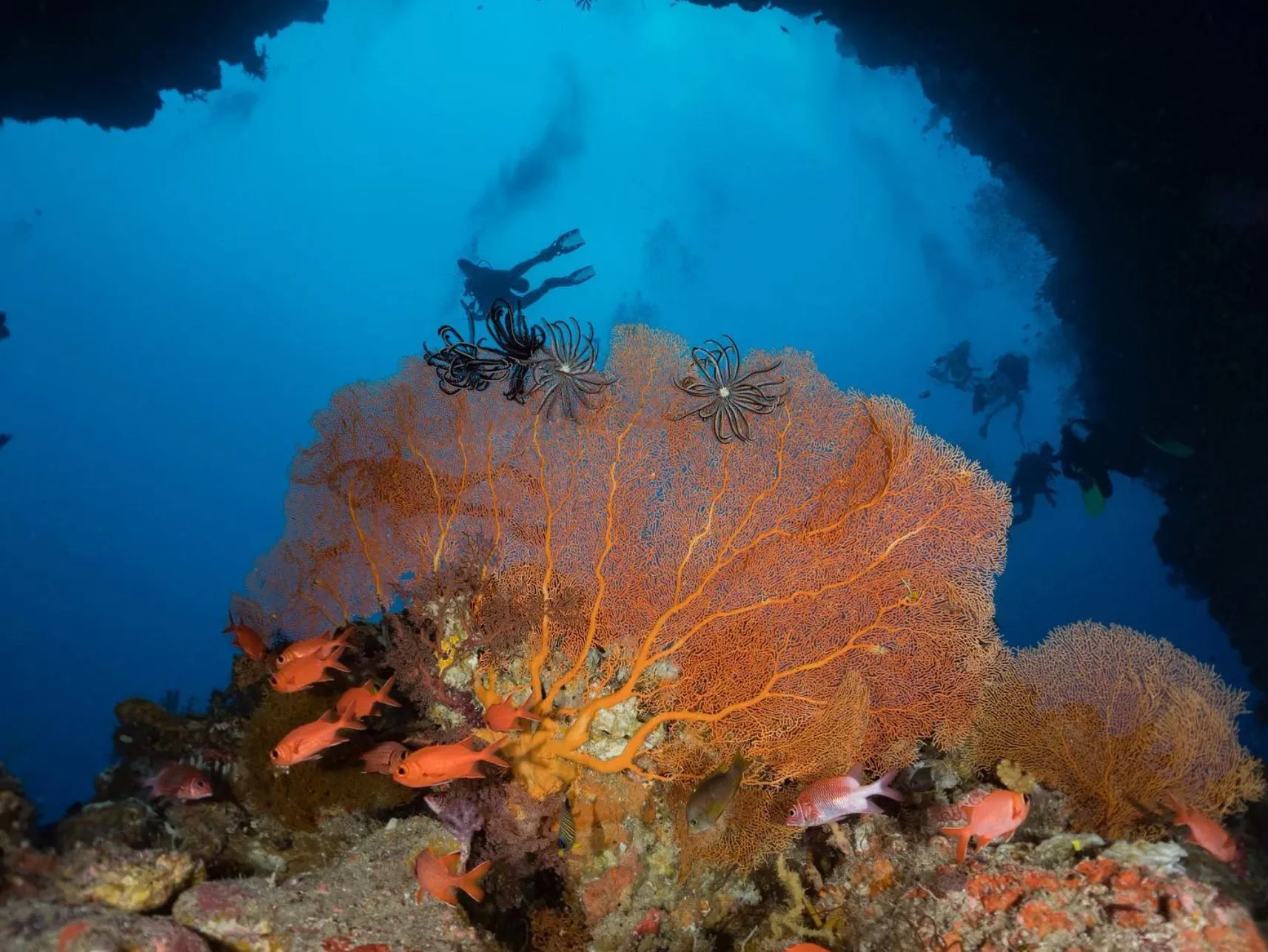
If you’re picturing the Great Ocean Road as all rugged cliffs and koalas in gum trees, you’re not wrong — but there’s another side to this famous Victorian stretch that you won’t see from the lookout. Beneath those pounding Southern Ocean waves lies a marine wonderland that rivals any coral reef up north. So yes, you can go scuba diving along the Great Ocean Road — and if you ask me, you absolutely should.
I’ve pulled on the wetsuit here more than a few times, from the limestone-ledged shallows of Port Campbell to the wreck-riddled depths off Warrnambool. These coastal waters are brimming with marine creatures, including some endemic species found nowhere else. If you’re planning a Great Ocean Road tour, consider adding a dive stop — it’s a brilliant way to see a wilder side of the coast. But before you chuck your tank in the boot, let’s unpack where to dive, what you’ll see, when to go and what to watch out for (spoiler: it’s not reef sharks).
Contents
Where to Dive: Top Sites Worth a Finslap
1. The Arches, Port Campbell National Park
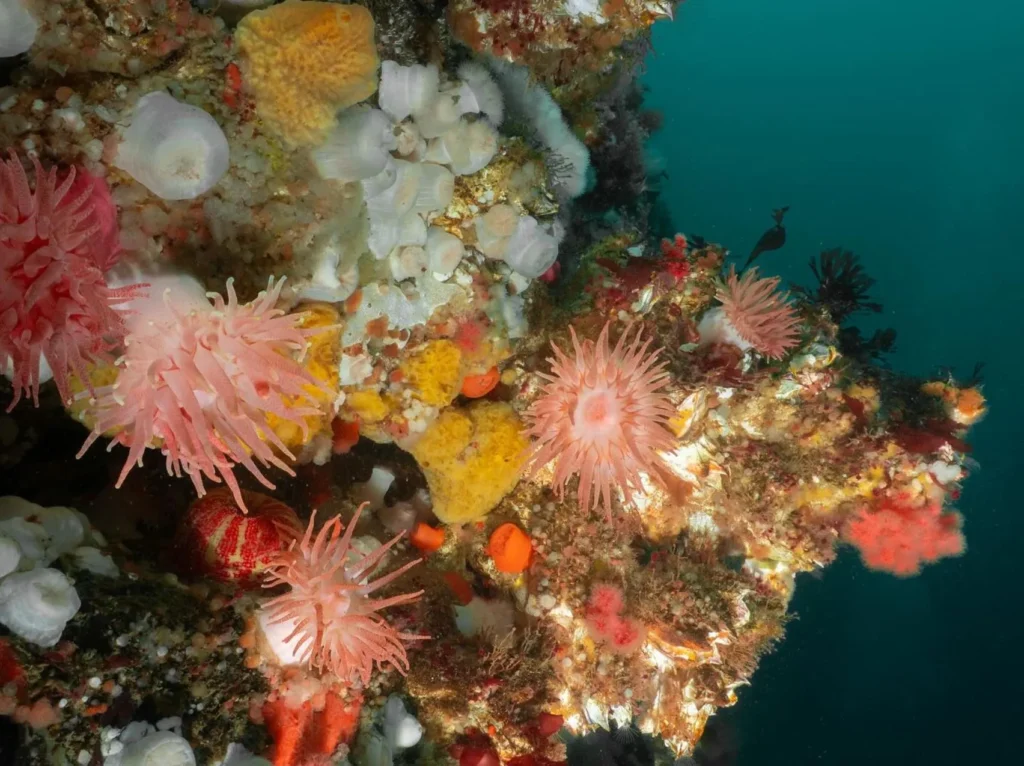
Cathedral-like limestone formations underwater. The Arches are a series of ledges, overhangs and tunnels carved by the same waves that sculpted the Twelve Apostles. Expect to see:
- Blue devils, boarfish and giant cuttlefish
- Kelp-covered boulders teeming with fish species
- Surgery entry and exit — not for beginners
You’ll need good conditions and possibly a boat (depending on your route), so check with local dive operators in Port Campbell. This area is protected within marine parks that help conserve the natural environment and the creatures that live here.
2. The Crags, near Warrnambool
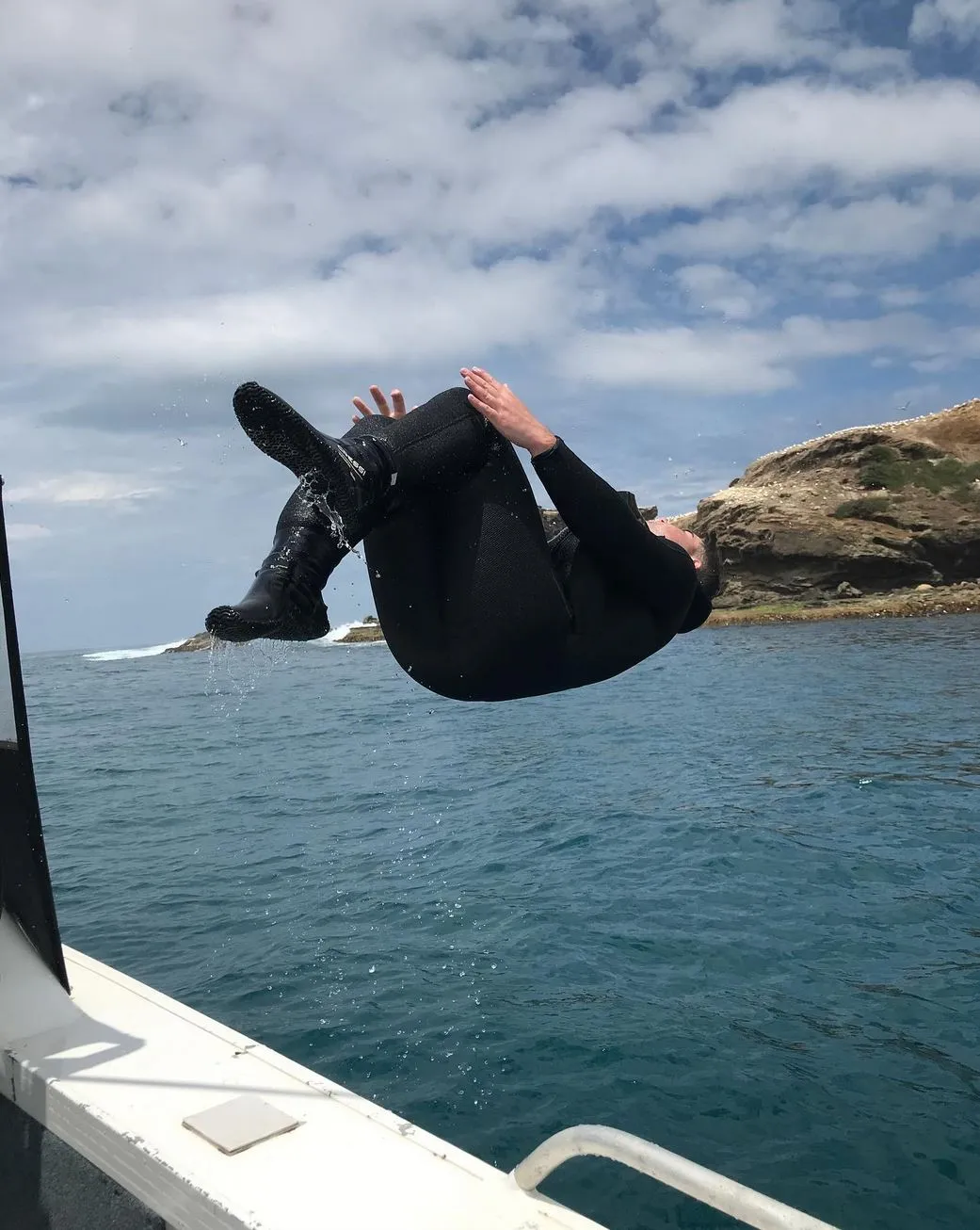
Off the beaten track, The Crags offers:
- Vertical rock platforms with sponges and sea tulips
- Nudibranchs, morwong and the occasional sea lion
- Schools of fish darting through the shadows
This area is exposed, so always dive with someone who knows the tides, water temps and swell patterns.
3. Lady Bay Wreck Dives (Warrnambool)
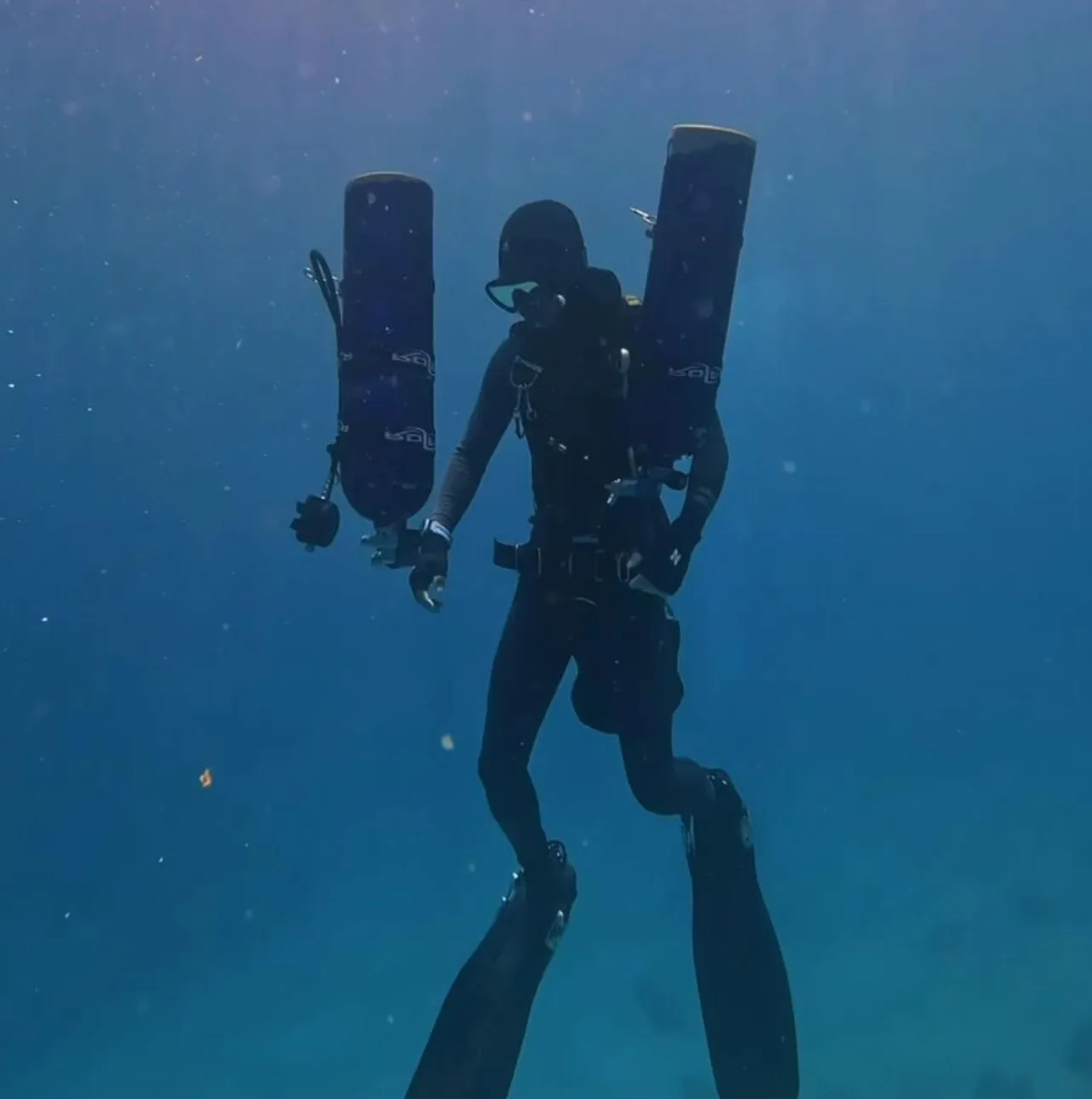
Scuba and shipwrecks go together like damper and billy tea. There are over 30 documented wrecks off Warrnambool’s coast. The standout? The La Bella, a barque that sank in 1905. Highlights:
- Dive depth: around 14m — intermediate divers only
- Covered in coral formations and soft sponges
- Ghostly, eerie and surprisingly accessible
Local dive clubs and charter boats run trips here, especially in the summer months.
4. Eagle Rock Marine Sanctuary (Aireys Inlet)
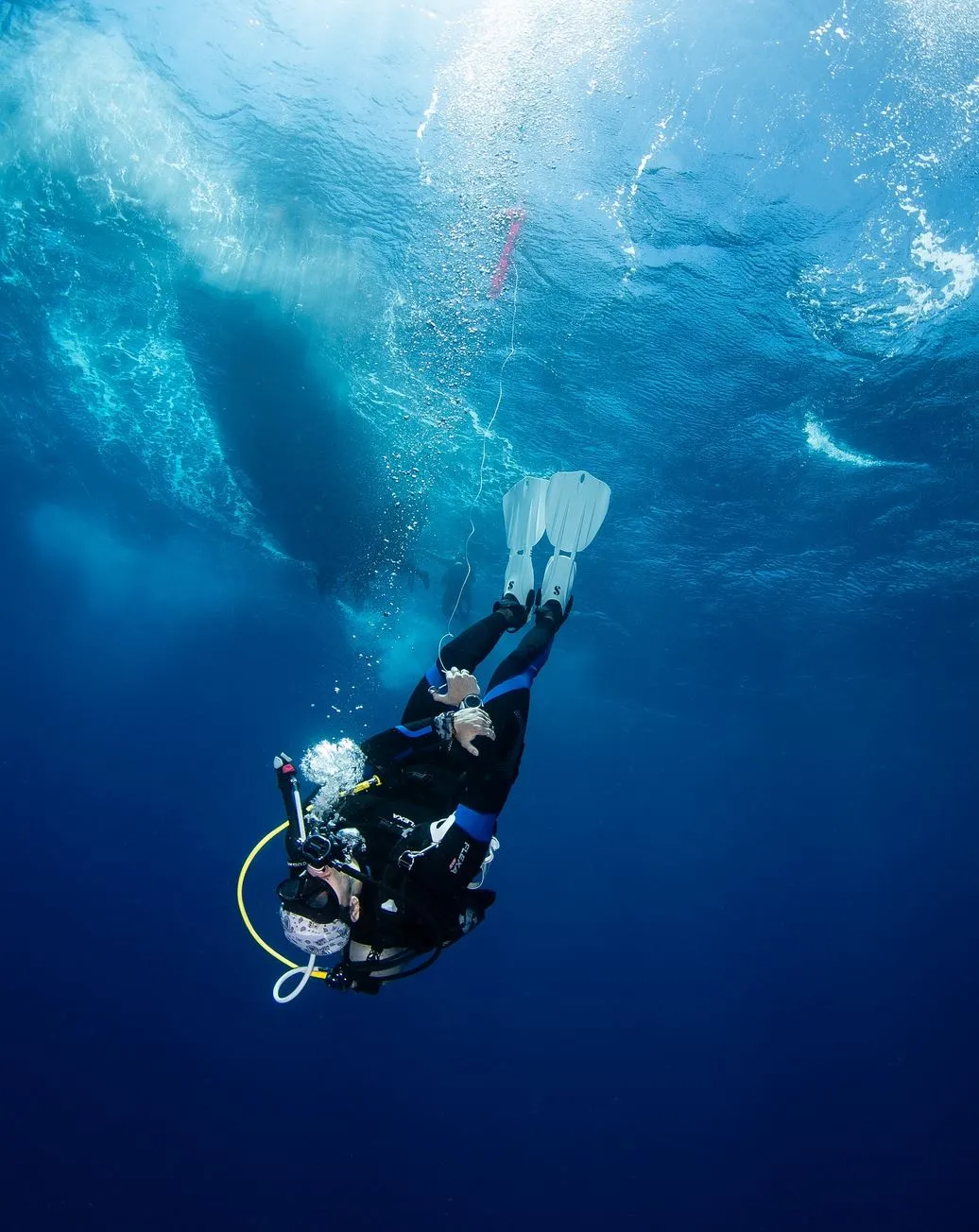
More of a shallow reef coastal dive but don’t let that fool you. In clear weather, it’s a snorkeler’s dream and a great intro dive. Look for:
- Leatherjackets, seastars and rays
- Sculpted reef shelves and small swim-throughs
- Shallow water entry is perfect for new divers
Some Great Ocean Road tours from Melbourne now include snorkelling options around Eagle Rock for those who want to explore without going full scuba.
When to Dive: Timing Your Ocean Adventure
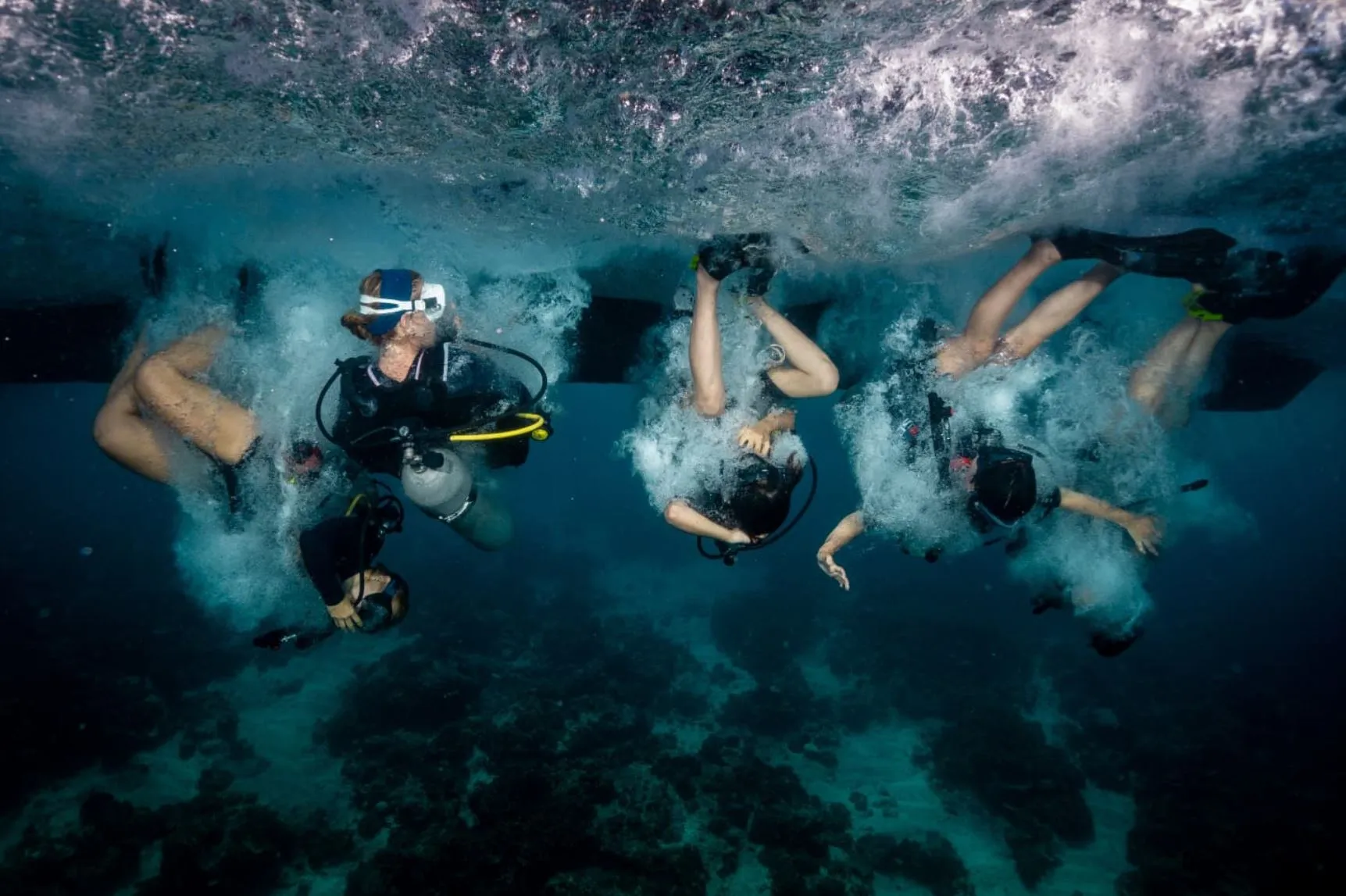
This is the Southern Ocean we’re talking about — not exactly the bathwater you’ll find in Far North Queensland. But if you dress right (hello, 7mm wetsuit), diving here is more than doable. Here’s the seasonal breakdown:
- Summer (Dec–Feb): Warmest water (relatively), calmer seas, peak visibility. The best time to see weedy sea dragons and other marine life. Also, busiest above water — book ahead.
- Autumn (Mar–May): Underrated. Good viz, stable weather, and fewer crowds.
- Winter (Jun–Aug): Cold, windy and big swells. Giant spider crabs if you’re lucky. Skip unless you’re very experienced and well-kitted.
- Spring (Sep–Nov): Transition time. It can go from glassy to gnarly.
Look for days with low wind, small swell and a rising tide. Coastal webcams and marine forecasts (like WillyWeather or BOM) are your best mates here.
Southern Reef Life
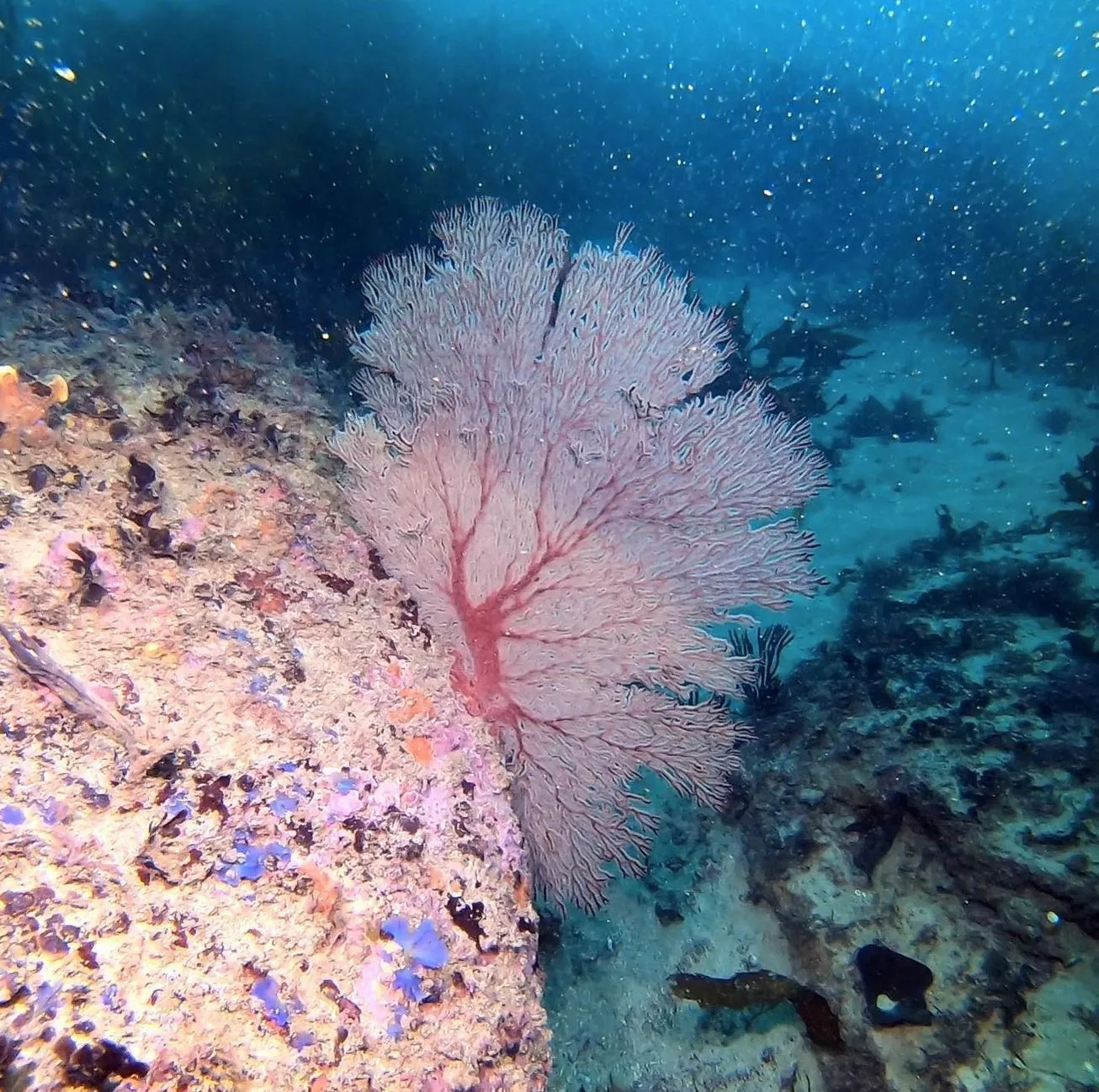
You won’t find clownfish or tropical coral reef gardens here. What you will find is a completely different underwater ecosystem — one shaped by strong currents, cool water environments and nutrient-rich upwellings. Expect:
- Giant kelp forests (yes, they exist in Victoria!)
- Jewel anemones and sponge gardens
- Cryptic species like blue-ringed octopus, weedy sea dragons and other marine mammals
And because this stretch is part of the Great Southern Reef, many species are endemic, meaning you won’t see them anywhere else on Earth. These marine parks protect an amazing array of marine life, including shark species like reef sharks and the occasional white shark passing through the shipping channel.
Oh, and one more thing: the visibility can surprise you. After a few calm days, 15–20 metres of water clarity isn’t unheard of. But it can drop fast if there’s been swell, rain or wind.
Local Tips for a Safe & Smart Dive
Take it from someone who’s had to surface in a kelp tangle more than once — respect the coast. Here are some practical takeaways:
Gear & Prep Checklist:
- 7mm semi-dry or drysuit
- Gloves and hood (non-negotiable in winter)
- DSMB (delayed surface marker buoy)* Dive torch — even in daylight, caves get dark
- Local dive permit (check with Parks Victoria if needed)
Dive Etiquette:
- Don’t touch or collect marine life
- Don’t anchor on reefs or shallow reef systems
- Rinse your gear between sites to avoid bio-contamination of marine species
Safety Warnings:
- Watch for sudden changes in swell
- Entry/exit points can be slippery and surgy
- Always log your plan with someone on shore
Final Thoughts: Worth It? Bloody Oath
So, can you scuba dive along the Great Ocean Road? You bet your neoprene-clad bum you can. It may not have tropical temps or flashy coral reef resorts, but that’s part of the appeal. The southern coast delivers raw, rugged and rarely-seen underwater landscapes filled with majestic creatures and endemic species. And if you’re looking for a sustainable way to explore the region? Check out the marine eco-tours we help run through the Otways — low-impact, high-reward and no spammy sales pitch. Just solid local know-how, a good thermos and a love for the sea.
See you under the kelp canopy — or maybe on a liveaboard dive next season.
FAQ
Do I need a guide, or can I dive independently?
You can dive independently if you’re certified and experienced with temperamental southern conditions. That said, going with a local dive operator is strongly recommended for sites like wrecks or exposed reefs.
Are there scuba shops or dive schools in the area?
Yes. You’ll find reputable operators in Warrnambool, Apollo Bay and even Torquay. Many offer gear hire, charter boats and guided shore dives.
Is shore diving possible or do I need a boat?
Both! Places like Eagle Rock and some Lady Bay sites are shore accessible. But for deeper wrecks or reef systems like The Arches, you’ll want a boat.
What marine life should I watch out for?
Blue-ringed octopus (beautiful but venomous), stingrays and sea urchins in rocky shallows. No crocs, no reef sharks — just the usual Aussie caution.
Can I snorkel instead of scuba dive?
Absolutely. In fact, some sites (like Eagle Rock and Marengo Reefs) are brilliant for snorkellers. You’ll see loads of fish species and marine creatures without going deep.